
For many businesses, CCTV is seen as a straightforward security measure. Cameras are installed to deter theft, discourage vandalism, and provide evidence when incidents occur.
While security remains one of the most important functions of any CCTV system, modern solutions deliver far more than basic surveillance.
High-Definition IP camera systems can help businesses investigate workplace accidents, resolve customer disputes, review vehicle or property damage, support insurance claims, and strengthen health and safety procedures. For organisations operating in regulated industries, CCTV can also form an important part of compliance and audit processes, providing a reliable record of events and supporting greater accountability.
In short, CCTV has evolved from a simple deterrent into a valuable business tool.
However, these benefits are only realised when a system is designed, configured, and managed correctly. From camera placement and system coverage to footage retention and regulatory compliance, several factors determine whether CCTV footage will be available, usable, and valuable when it’s needed most.
Beyond Security: What a Good System Actually Does
Today’s CCTV systems are quietly doing more than most businesses realise.
Site managers are increasingly using footage to understand how a space is actually used – spotting bottlenecks on a production line, checking whether safety procedures are being followed in practice, or reviewing footfall patterns to inform staffing and layout decisions. For multi-site operations, remote viewing means managers can check on a location without being physically present, cutting down on unnecessary site visits.
CCTV can also work alongside access control and alarm systems, giving a fuller picture of who was where and when – useful not just for incidents, but for day-to-day accountability and process improvement.
Realising these benefits, however, depends on getting a few fundamentals right: camera placement and coverage, footage retention, and responsible data management.
Placement: The Starting Point for Effective Coverage
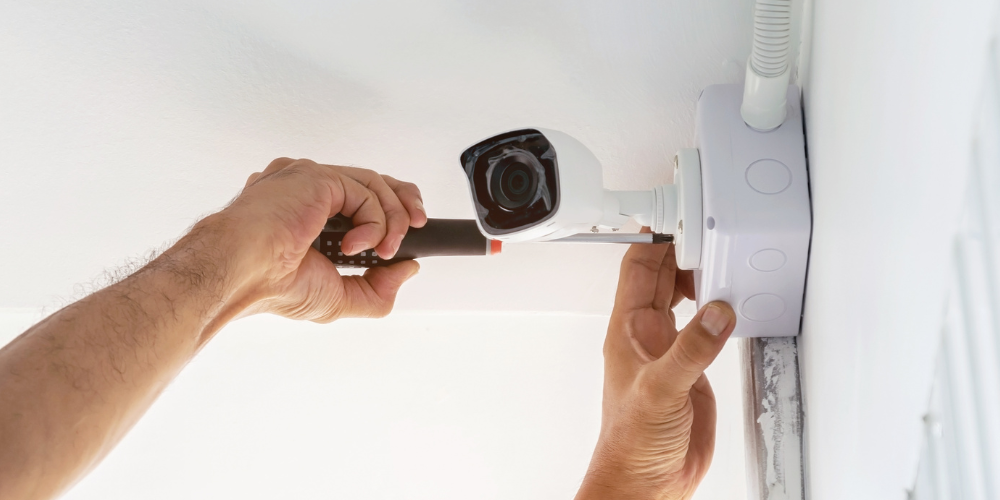
A CCTV system is only as effective as the areas it can see. While many businesses assume they have sufficient coverage because cameras are installed around their premises, camera placement plays a significant role in determining whether footage will be useful when it is needed most.
Key entry and exit points, vehicle access routes, loading areas, high-value assets, and locations where incidents are most likely to occur should all be considered when designing a CCTV system. Poorly positioned cameras leave blind spots, while low-resolution footage may make it difficult to clearly identify individuals, vehicles, or events.
Coverage gaps and image quality issues often only become apparent after a workplace accident, customer dispute, security incident, or act of vandalism. When critical areas haven’t been properly covered, businesses can be left without the evidence they need to support investigations, insurance claims, or internal reviews.
Proper setup, combined with regular reviews of camera positions and system performance, helps ensure CCTV continues to provide the visibility and reliability businesses expect from it.
Footage Retention: Keeping Sufficient Recordings
Having high-quality footage is only useful if it’s still available when needed.
Many businesses focus on camera coverage and image quality but overlook how long recordings are stored before being automatically overwritten. Depending on the volume of footage being captured and the storage capacity available, retention periods can vary significantly between systems.
This becomes particularly important when incidents are reported days or even weeks after they occur. Whether supporting an insurance claim, investigating a workplace incident, reviewing a customer complaint, or responding to a regulatory query, businesses need confidence that the relevant footage will still be accessible when required.
Retention periods should be aligned with operational requirements, insurer expectations, and any industry-specific obligations.
Compliance: Managing Data Responsibly
As CCTV systems become more valuable sources of business information, it’s important that footage is managed appropriately and in line with data protection requirements.
Where CCTV captures identifiable individuals, businesses have legal responsibilities regarding how recordings are collected, stored, accessed, and retained. This includes ensuring appropriate signage is in place, restricting access to authorised personnel, maintaining secure storage, and having clear procedures for handling recorded footage.
Clear processes help protect sensitive information, create accountability around how footage is used, and ensure recordings can be retrieved quickly when needed.
Why Professional Installation Matters
At Scot-Tech, we help businesses get more from their CCTV systems. From initial installation through to ongoing support and maintenance, we ensure systems are built to deliver reliable security, clear evidence, and long-term business value.
Our accredited installers have decades of experience working across commercial, industrial, and specialist environments, including offices, hotels, airports, and offshore applications.
We provide HD IP camera solutions with coverage of key entry and exit points, car parks, and high-value areas, alongside appropriate storage, retention policies, audit trails, and compliance measures.
Whether you need a completely new installation, an upgrade to an existing system, or ongoing maintenance support, our team can ensure your CCTV system delivers the protection, reliability, and evidence your business needs.
If you’re unsure whether your current CCTV system would stand up when it matters most, now is the time to find out.
Contact us to arrange a CCTV review or system assessment and ensure your security infrastructure is working as hard as your business does.